What Do Pheromones Smell Like? The Honest Scent Breakdown

What do pheromones smell like? From warm skin musk and sweet vanilla to sweaty urine or nothing at all, here is how each molecule smells and why.
By William M. Updated
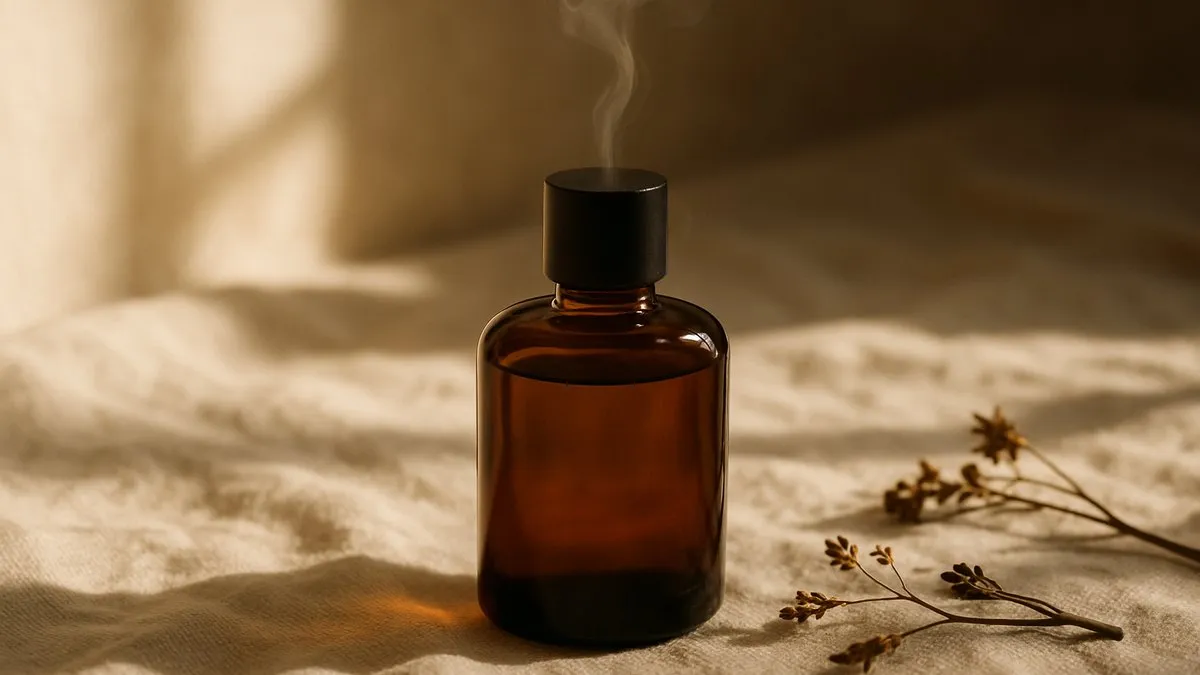
What pheromones smell like, an unlabeled amber cologne bottle on cream linen in warm light

Someone leans close and you catch something warm and faint. It is body-warm, slightly animal, and clean. You cannot name the scent notes, but your attention sharpens. That is usually what pheromones smell like in real life. They do not smell like perfume counters. They smell like living skin.

I have spent over a decade evaluating raw aroma chemicals and chemosignals. The question comes up constantly from customers and curious skeptics alike. Does human pheromone oil smell good? Does it smell like sweat? Or does it smell like nothing at all?

The honest answer depends on the exact molecule you examine. It also depends on the genes of the person smelling it. Some people smell sweet vanilla, others smell stale sweat, and many people smell nothing at all from the exact same drop.

What Do Pheromones Smell Like to Humans?

To human noses, natural pheromones register primarily as faint, warm skin musk or clean body heat. They rarely hit your senses as an obvious perfume note. When formulated at proper physiological concentrations, they blend into your organic scent profile rather than announcing themselves.

The best comparison is the scent of clean skin after a brisk walk on a cool afternoon. It is not pungent armpit sweat. It is an organic, body-warmed warmth. People who encounter it often think someone simply smells clean, healthy, or naturally attractive. They rarely say someone smells like a particular chemical compound.

That subtle presentation is intentional. Evolutionary chemosignals operate just below or right at the edge of conscious perception. When manufacturers overdosing a formula force the concentration ten times higher than nature intended, the smell turns harsh and animalic. In a properly balanced formula, the signal remains quiet, subtle, and skin-close.

Can You Smell Pheromones? (Conscious vs. Subconscious Scent)

The short answer is yes, but not in the way most people think. You do not smell pheromones the same way you smell a roasted coffee bean or crushed lavender.

In most non-human mammals, airborne chemical cues get processed through a specialized structure called the vomeronasal organ, or Jacobson’s organ. This organ sits at the base of the nasal cavity and routes signals straight into the accessory olfactory bulb and the hypothalamus. That neural circuit bypasses the main sensory cortex. It triggers hormonal, behavioral, and autonomic shifts without the animal having to consciously name the scent.

In adult humans, the story changes. While human embryos develop a vomeronasal structure, adult humans have a vestigial pit in the nasal septum. The anatomical nerve pathway that links that pit to the brain appears non-functional in adult humans. Academic reviews on human sex pheromones note that our chemosensory responses travel through our main olfactory system instead.

You process airborne steroid molecules with the exact same olfactory epithelium that detects baking bread, gasoline, or wet dirt. As researchers outlined in a review published in Facts, Views & Vision in ObGyn, human chemosensory communication relies on this main nasal path to shift mood, attention, and autonomic arousal.

Because many of these steroidal molecules operate at very low thresholds, you can experience a nervous system response before your conscious brain recognizes an odor. The signal lands, the brain processes it, but you do not register a distinct fragrance note. You simply feel a subtle shift in comfort, curiosity, or physical pull.

What Each Pheromone Molecule Actually Smells Like

Most articles group all pheromones under one blanket description. That is misleading. Raw aroma compounds possess wildly distinct odor profiles. What a bottle smells like depends on which specific molecules make up the blend.

Androstenone: Sweet Vanilla, Sweaty Urine, or Pure Air

Androstenone (5alpha-androst-16-en-3-one) is an odorous steroid found naturally in human sweat, saliva, and axillary hair. It is the core molecule associated with dominance, territorial presence, and assertive social hierarchy. It clings tightly to skin oils and takes hours to break down.

Its smell is famously polarizing. You do not get a uniform reaction from five different people. A landmark study published in Nature confirmed that genetic variation in the OR7D4 odorant receptor dictates whether androstenone smells pleasant, foul, or entirely absent.

The human population splits into three distinct sensory camps:

  • Roughly 50 percent of people are completely anosmic to it. They smell literal air.
  • Around 35 percent carry receptor variations that make it smell urinous, stale, sweaty, or like a harsh gym locker room.
  • The remaining 15 percent possess variants that interpret the exact same molecule as sweet, floral, woody, or warm vanilla.

Your sensory group is hardwired into your DNA. You cannot train your nose to like raw androstenone if your receptors code it as urinous. If you wear an androstenone-heavy blend, someone next to you might think you smell like warm vanilla custard, while their friend standing beside them smells nothing, and a third person thinks you skipped your morning shower. Those seeking an assertive edge will find dedicated formulations in an androstenone cologne.

Understanding this split is essential when learning what pheromones attract women without clearing out a room.

Androstenol: Fresh, Woody, and Fast-Fading

Androstenol (5alpha-androst-16-en-3-ol) is the open, social counterpart to androstenone. It appears naturally in fresh human perspiration. If you want to know what androstenol is and how it works, think of immediate social approachability. It is often bottled in an androstenol cologne to soften conversations and break tension.

Straight off the skin, clean androstenol smells fresh, lightly sweet, and soft. Many perfumers compare it to damp driftwood, cut hay, or clean musky skin straight out of the pool. It carries none of the harsh, stale bite that makes high doses of androstenone tricky to balance.

The catch is volatility. Androstenol has a lighter molecular weight and evaporates quickly. It remains in its pristine, friendly state on warm skin for roughly 45 to 60 minutes.

As it sits on your skin, natural surface bacteria and ambient oxygen begin to oxidize it. That oxidation gradually shifts the molecule toward androstenone. The fresh, friendly scent slowly transitions into something warmer, heavier, and more animalic. If you study androstenone vs androstenol, that chemical transition explains why fresh post-workout sweat smells pleasant on someone, while sweat that sits on a cotton shirt for four hours smells sharp and unappealing.

Androstadienone: The Near-Odorless Subconscious Signal

Androstadienone (androsta-4,16-dien-3-one), often abbreviated as A1, is the most heavily studied putative male chemosignal in academic literature. Found naturally in male sweat and hair follicles, it has been shown to modulate cortisol levels, lift feminine mood, and direct visual focus toward emotional stimuli.

If you open a pure lab vial of androstadienone, you will smell practically nothing. Most human noses find it completely odorless at normal room concentrations.

At exceptionally high lab doses, some individuals with sensitive noses report a very faint, dry musk or a subtle sweet, powdery impression. However, in double-blind experiments, participants routinely fail to identify whether a swab contains androstadienone or plain mineral oil.

Yet, despite smelling like nothing, it causes measurable neurological activity. Brain scans demonstrate that feminine hypothalamic circuits light up within seconds of exposure, even when subjects swear they smell zero fragrance. We examine those clinical findings in detail in our review of androstadienone effects on women. It is the classic example of a molecule that talks directly to the nervous system without alerting the conscious sense of smell.

Estratetraenol: The Subtle Feminine Steroid

Estratetraenol (estra-1,3,5(10),16-tetraen-3-ol) is the primary female-derived counterpart to androstadienone. First isolated from third-trimester pregnancy urine, it is considered a prime candidate for female chemosignaling.

Much like androstadienone, estratetraenol is near-odorless to the majority of people at realistic levels. It does not carry the dense, thick smell of heavier body lipids. When smelling pure estratetraenol in a clean carrier oil, most evaluators detect only faint, clean, warm air with an elusive whisper of sweetness or very light floral musk.

Despite that faint olfactory footprint, it influences human perception. Research into what pheromones attract men shows that smelling estratetraenol shifts male judgment toward perceiving movements and physical silhouettes as more feminine, all without the man consciously identifying an aroma.

Copulins: Pungent, Sour, and Animalic in the Lab

Copulins are not a single molecule. They are a distinct blend of short-chain, volatile aliphatic fatty acids, primarily acetic, propionic, isobutyric, and isovaleric acids. Women produce them in vaginal secretions, with production peaking naturally around the fertile ovulatory window.

In an isolated laboratory vial, pure copulins smell intensely sour, sharp, and fatty. Unfiltered academic papers describe the concentrated raw aroma as reminiscent of pungent vinegar, sour butter, or fermented cheese. Isovaleric acid, a key component of the mix, is the exact chemical that gives aged Swiss cheese and sweaty gym socks their pungent punch.

Because of that sharpness, synthetic copulins must be dosed with immense care. In commercial formulas, formulators use micro-dilutions. On warm, clean skin, those sour fatty acids disperse and blend with natural sebum.

The harsh edge vanishes within minutes. It transforms into an intimate, warm, intoxicating skin-scent that signals feminine biological arousal. Many wearers experience this balance in a crafted pheromone perfume for women. We cover the real chemistry and modern applications in our breakdown of vabbing and copulins.

MoleculeNatural SourceOdor Profile at Normal LevelsScent at Excessive Lab Levels
AndrostenoneMale sweat, salivaVanilla, sweaty musk, or odorless (OR7D4 split)Stale urine, sharp boar sweat
AndrostenolFresh perspirationFresh, sweet, airy, light wood and cut hayStale, heavy body musk (post-oxidation)
AndrostadienoneMale axillary hair, skinNear-odorless, imperceptibleFaint dry musk, powdery sweet air
EstratetraenolFemale biological fluidsNear-odorless, whisper of clean floral warmthFaint, dry, sweet vapor
CopulinsFemale vaginal secretionsSoft, warm, intimate, biological muskSour butter, sharp vinegar, pungent cheese

What Does Pheromone Perfume and Cologne Smell Like?

When you buy a commercial bottle from a store or online perfumer, you are almost never purchasing pure, isolated pheromone molecules in water. What you smell depends directly on whether you selected a scented cologne or an unscented concentrate.

What Scented Pheromone Cologne Smells Like

A professionally designed pheromone perfume smells like luxury designer fragrance. When you open the cap, your nose detects fine perfumery materials: bergamot, cedarwood, amber, vanilla, ambroxan, and sandalwood.

The fragrance base exists for two reasons:

  1. Olfactory coverage: It masks the animalic or urinous potential of compounds like androstenone or copulins, ensuring they dry down as smooth, wearable warmth rather than pungent sweat.
  2. Delivery vehicle: High-quality alcohol and essential oils help lift the heavier, denser pheromone molecules off your skin and project them into the surrounding air.

As we discuss in our guide to pheromone cologne vs regular cologne, the two elements work as a coordinated team. The fragrance notes handle the conscious nose, making people say, “You smell fantastic.” The pheromone payload works beneath the surface, driving approachability and social ease.

What Unscented Pheromone Oil and Sprays Smell Like

Many enthusiasts prefer unscented formulations so they can continue wearing their signature luxury scents over top. But calling a pheromone concentrate “unscented” does not mean it smells like distilled water.

In the industry, “unscented” simply means that the perfumer added no fragrance oils, florals, or masking aroma chemicals.

When you apply an unscented spray or roll-on oil to your wrist, you will notice three things:

  1. The carrier base: A brief burst of sharp perfumer’s alcohol (in sprays) or a smooth, neutral vegetable fat scent (in jojoba or DPG oil bases).
  2. A faint chemical warmth: A sensation resembling warm clean skin, faint ozone, or wet river rocks.
  3. An animalic undertone: If the product contains androstenone or copulins, you may catch a momentary flash of sourness or sweaty musk right before the carrier evaporates.

Within five minutes on clean skin, that unscented base settles into a quiet background hum. It leaves you free to layer your favorite cologne directly over the pulse points without clashing notes.

Why Pheromones Smell Completely Different on Different People

You might spray the exact same bottle on your arm and let a friend spray it on theirs, only to discover it smells completely different on each of you fifteen minutes later. That difference comes down to three distinct biological layers.

1. Receptor Genetics (The OR7D4 Gene)

As covered earlier, your physical olfactory receptors dictate what your brain registers. A person carrying the functional variant of the OR7D4 gene will instantly catch the sweaty, urinous facets of androstenone.

A person with a specific point mutation in that gene will smell sweet vanilla, and someone missing that active pathway will detect zero smell. No amount of cognitive training or wishful thinking can change your receptor biology.

2. The Skin Microbiome and Surface Chemistry

Pheromones are biological lipids and steroids. When applied to skin, they interact immediately with your cutaneous environment:

  • Natural sebum production: Oily skin bonds with steroid molecules, slowing down evaporation and muting sharp odor spikes. Dry skin allows quick evaporation, causing the scent to project quickly and burn out fast.
  • Skin surface pH: More acidic skin alters the volatility curve of short-chain fatty acids like copulins, keeping them crisper, while more alkaline skin can cause them to read heavier.
  • Bacterial colonies: Corynebacteria on human skin actively feed on odorless steroidal secretions and break them down into smelly, volatile byproducts. The bacterial landscape on your forearm is as unique as your fingerprint.

If you struggle with performance or scent evolution, following proper steps on how to make pheromone cologne last longer will stabilize your surface skin barrier before you spray.

3. MHC Genes and Natural Odortype

Searchers often confuse isolated pheromones with natural attraction sweat. In the classic 1995 Wedekind sweaty T-shirt study, women judged the pleasantness of men’s body odors based on their Major Histocompatibility Complex (MHC) immune genes.

Women preferred the natural scent of men whose immune systems differed from their own.

This individual genetic signature is your natural “odortype.” When you put a synthetic pheromone molecule onto your skin, it does not replace your odortype. It layers over it. Your baseline hormones, hygiene habits, and diet dictate how that molecule projects outward. We examine that relationship in our breakdown of how to smell more attractive naturally.

Can You Smell Your Own Pheromones?

The short answer is almost never, and that is a healthy sign.

The human sensory apparatus prioritizes survival. It monitors your surroundings for unexpected changes: smoke, spoiling food, or the presence of a predator. Constant, unchanging sensory inputs get tuned out by the brain to clear mental bandwidth.

This neurological phenomenon is called olfactory adaptation, or sensory fatigue. Because your nose lives directly above your own sweat glands, hair follicles, and skin oils all day long, your brain classifies your own biological odor as ambient baseline noise. Within twenty minutes of applying a pheromone product, your olfactory receptors desensitize to that specific compound.

This creates the common beginner mistake of over-application. A user applies two sprays of an androstenone formula, smells nothing after half an hour, assumes the product evaporated, and applies four more sprays.

To the wearer, the scent remains undetectable. But to everyone else walking into the room, the concentration has reached overpowering, urinous levels.

If you ever find yourself wondering whether your bottle has lost its kick, read our diagnostic checklist on why your pheromones are not working before doubling your morning dose.

How to Wear Pheromones Without Smelling Like Sweat

Wearing pheromone compounds effectively requires understanding their volatility and olfactory thresholds. The goal is to project a clean, magnetic aura, never an aggressive animal musk.

1. Start with a Blank, Hydrated Canvas

Pheromone molecules cling to lipids. If you apply them over dirty, bacteria-laden skin, the bacteria will metabolize the steroids into unpleasant axillary odors.

Always apply your products immediately after a warm shower onto clean, dry skin. If you suffer from dry skin, massage an unscented lotion or squalane oil over your pulse points five minutes before application. This creates an even lipid foundation that prevents the molecules from soaking into pores and drying out.

2. Follow the Micro-Dose Rule

With human chemosignals, more is emphatically not better. Pheromones follow a distinct inverted-U dose-response curve:

  • Optimal micro-dose: Stimulates feelings of warmth, approachability, and subconscious physical attraction.
  • Heavy overdose: Triggers sensory alarms, perceived social aggression, or overt physical repulsion.

For pure concentrates, a single drop or single light misting spray is plenty. If you are unsure where to target your applications, consult our step-by-step tutorial on how to wear pheromone cologne.

3. Layer with Complementary Scent Profiles

If you use unscented oils containing heavy androstenone or copulins, always layer a quality cologne or perfume over them. But do not pick just any bottle.

Select fragrance families that blend seamlessly with warm, animalic skin musks. Notes of bourbon vanilla, dark amber, creamy sandalwood, and ISO-E Super harmonize with human steroids. You can see the peer-reviewed reasoning behind these fragrance notes in our guide to scents that subconsciously attract women.

Frequently asked

What do pheromones smell like to humans?

To most people, human pheromones smell like a faint, warm, skin-close musk or natural body heat. However, the exact smell depends on the molecule and the observer's genetics. Androstenone can smell sweet like vanilla or sweaty like urine. Androstenol smells fresh and woody. Androstadienone is near-odorless, and copulins smell fatty and slightly sour.

Can you smell your own pheromones?

Almost never. Your sensory system uses olfactory adaptation to filter out continuous, unchanging scents produced by your own body. Your brain classifies your own biological aroma as baseline background noise so it can detect external changes in your environment.

What does pheromone perfume smell like?

Commercial pheromone perfume smells like the fragrance oils used in its base, such as amber, vanilla, sandalwood, citrus, or synthetic musk. The pheromone compounds themselves blend quietly into the background beneath the top and middle fragrance notes.

Why do pheromones smell like vanilla to some people?

The sweet, vanilla-like perception is caused by a genetic variation in the OR7D4 odorant receptor gene. People who carry specific variants of this receptor interpret the steroid androstenone as sweet and floral, whereas people with standard receptors find it sweaty or urinous.

What do female pheromones smell like?

The most prominent female pheromone candidates are copulins and estratetraenol. Estratetraenol is near-odorless with a faint sweet floral air. Pure copulins smell sour, fatty, and vinegary in the lab, but on warm skin at low levels they soften into an intimate, warm biological musk.

What does androstenone smell like?

Androstenone has a split odor profile dictated by DNA. About 50 percent of adults cannot smell it at all. About 35 percent smell a sharp, urinous, sweaty body musk. Around 15 percent smell a pleasant, sweet, woody, or vanilla scent.

Do unscented pheromones smell like anything?

Yes. Unscented does not mean completely odorless. An unscented pheromone product usually smells briefly of perfumer's alcohol or carrier oil, followed by a faint, warm, ozone-like or clean skin-musk scent as it dries down on the skin.